How Flowers Signaled the Seasons in Art: A Short Guide
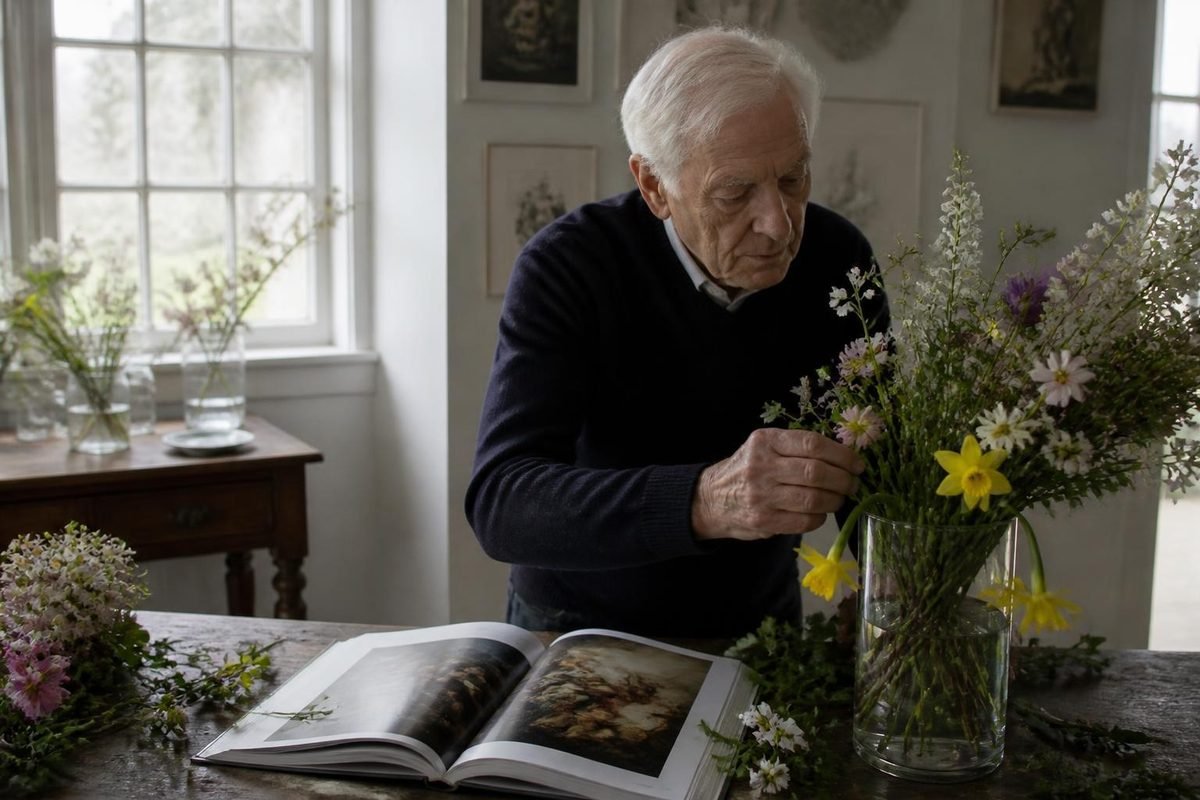
Artists used seasonal flowers in allegorical paintings to point to a time of year, particularly spring. They showed blooms in gardens, garlands, hands and even arrangements shaped into human faces.
Blossoms as springtime clues
An allegorical painting uses a person or scene to express an idea beyond the objects shown. A flowering plant could identify spring without a label, much as a vase of fresh tulips on a table can make a room feel newly bright. Blossoms suggested growth and renewal, while their brief flowering also recalled that seasons move on.
These pictures were not always meant to record a garden on one exact day. An artist might include flowers that bloom at different points in the year, bringing them together to suggest abundance instead of a single observed moment.
Viewers could interpret the flowers along with the setting and the people in the scene. A blossom in someone’s hand, for instance, might signal that the figure represents Spring, not simply a gardener who has paused in the garden.
Seasonal flowers on people
Artists sometimes represented the seasons as human figures. Spring might be shown as a young person wearing flowers or carrying a basket of them. The blooms helped viewers recognize the figure and linked the human form with changes in the natural world.
In Sandro Botticelli’s Primavera, Flora scatters flowers over a meadow. Her flower-covered dress and the plants beneath her feet build a richly patterned vision of spring. Flora’s association with flowers in Roman mythology adds another layer of meaning to the scene.
Flowers could also serve as small details on a figure rather than as the main subject. A garland or a handful of blooms could offer the seasonal clue, while a figure’s pose, clothing and landscape helped shape the allegory. When looking at a painting, it is useful to notice how these details work together instead of treating the flower as an isolated decoration.
Building a face from blooms
Giuseppe Arcimboldo approached the subject in another way in his painting Spring. Rather than showing flowers beside a person, he composed a profile from blossoms and leaves. Petals create the cheeks and lips, and a dense grouping of flowers stands in for hair.
The image changes as the viewer looks at it. From across a room, the arrangement appears to be a face; from closer by, individual plants become easier to pick out. Spring is presented at once as a person and as a gathering of the plants that mark the season.
How to read the floral clues
Flowers are only one part of a seasonal image. To understand what they are doing, take in the nearby details as well:
- The surroundings: A meadow or garden places the blooms in a broader scene of growth.
- The person: Someone carrying or wearing flowers may represent spring or a figure from mythology.
- The way flowers appear: A garland, scattered petals or a face assembled from blooms gives the plants a different role.
- Related paintings: A spring scene may belong to a group of pictures showing the other seasons.
Look across these clues to see how flowers do more than fill space. They can help make a landscape, a person or even a face stand for the season itself.
Next step: sending flowers to a loved one in Europe
Ends · BLOOMNOTES86